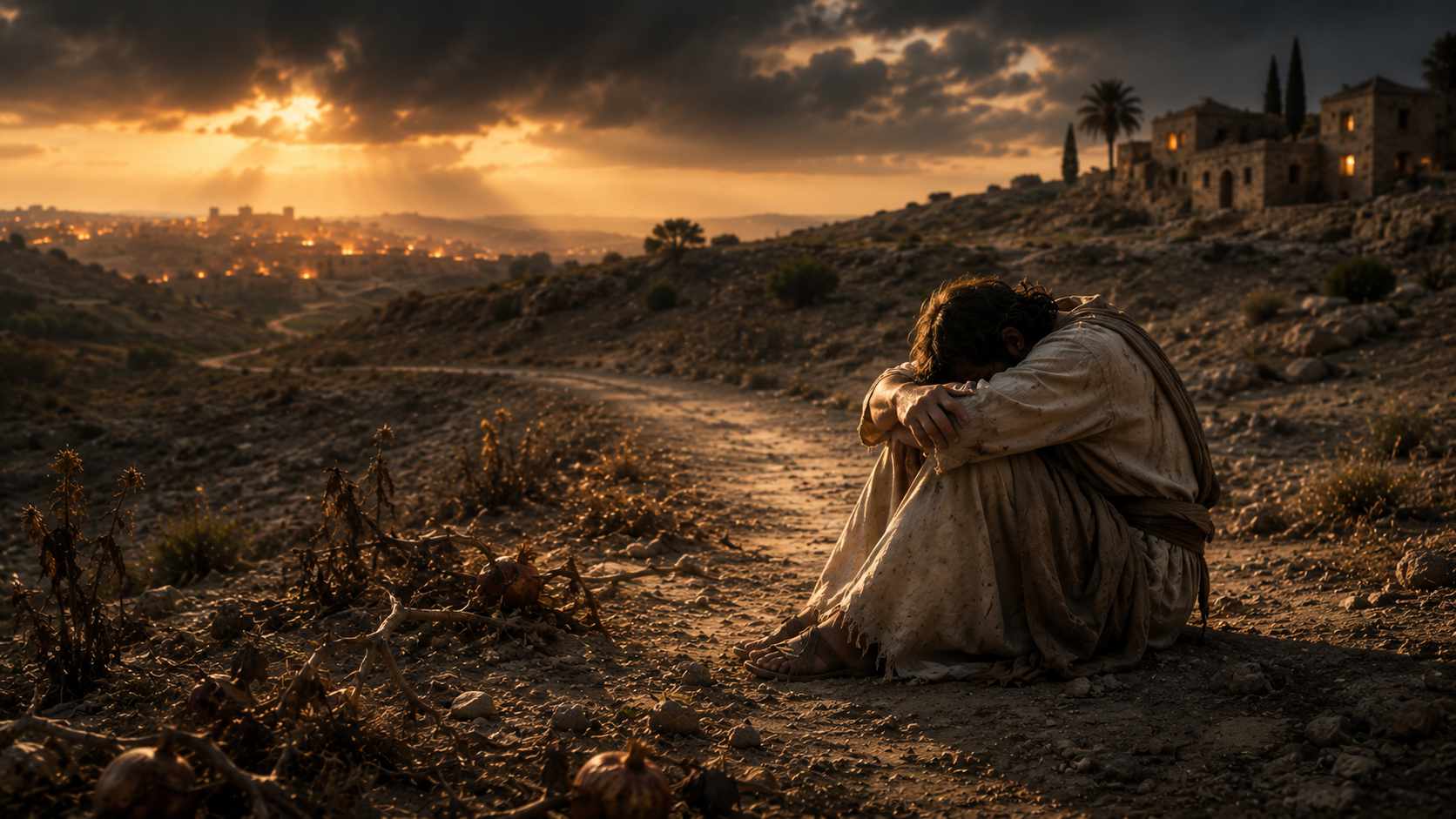
The Urgency Of Escaping The Coming Judgment

Text: Genesis 19:12–29
The destruction of Sodom and Gomorrah stands as one of the most solemn demonstrations of God's holiness and justice in all of Scripture. These were not obscure villages hidden in the wilderness but flourishing cities situated in the fertile plain of the Jordan. When Lot first beheld the region, it appeared "like the garden of the LORD" (Genesis 13:10), a place of remarkable beauty, abundance, and prosperity. Yet beneath that outward prosperity lay a society whose moral corruption had reached its full measure before God. For many years, God endured the wickedness of these cities with remarkable patience. Their prosperity was not evidence of divine approval but of divine longsuffering. Meanwhile, Abraham, separated from the corruption of Sodom, walked in fellowship with God upon the hills of Canaan. To him the Lord revealed His intention to judge the cities, and Abraham stood before God as an intercessor, pleading that mercy might prevail if righteous people could be found there (Genesis 18:22–33). The events of Genesis 19 therefore unfold against the backdrop of God's justice being tempered by His mercy and His covenant faithfulness.
When the angels urged Lot to flee, judgment was no longer a distant possibility; it was imminent. Every passing moment reduced the opportunity to escape. The same principle runs throughout Scripture. God warns before He judges. He calls before He condemns. He stretches out His hand in mercy before He executes justice. Yet His patience has an appointed limit. The day eventually arrives when mercy gives way to judgment.
Our Lord Jesus Christ declared that the days preceding His second coming would resemble "the days of Lot" (Luke 17:28–30). Society would continue its ordinary pursuits—buying, selling, planting, building, and celebrating life—largely unaware that divine judgment was approaching. The message of Sodom is therefore not merely historical; it is profoundly prophetic. It calls every generation to flee from sin, to separate from the spirit of the world, and to seek refuge in the salvation God has graciously provided through Jesus Christ.
1. THE MERCY OF GOD PROVIDING A WAY OF ESCAPE
Genesis 19:12–17; Genesis 6:13–22; Exodus 12:21–28; Isaiah 55:6,7; Ezekiel 33:11; John 3:16–18; 2 Peter 3:9.
Before the fire of judgment descended, the angels urgently instructed Lot to gather everyone who belonged to him and leave the city. God's first act was not destruction but deliverance. This reveals the consistent pattern of God's dealings throughout history. Before the Flood, Noah preached righteousness while the ark was being prepared. Before the tenth plague in Egypt, God provided the blood of the Passover lamb. Before the overthrow of Jerusalem, Christ warned His disciples to flee. Before the final judgment of the world, the gospel continues to call sinners to repentance. The repeated command was simple: "Escape for thy life." There was no room for delay, negotiation, or divided loyalties. Every moment spent lingering in Sodom increased the danger. Salvation required immediate obedience.
Lot hesitated. Although he believed the warning, his heart remained attached to what he was leaving behind. His possessions, relationships, and years invested in Sodom had created ties that made obedience difficult. The angels therefore laid hold upon him, his wife, and his daughters, bringing them out because "the LORD being merciful unto him." What a remarkable testimony to the grace of God! Lot's deliverance rested not upon the strength of his resolve but upon the greatness of God's mercy. Left to himself, Lot would likely have perished in the city. The Lord intervened because of His covenant faithfulness and because He remembered Abraham. Many sinners today hesitate in the same way. They know the truth of God's Word, recognize the danger of continuing in sin, and understand the necessity of repentance, yet they postpone their response. They imagine there will always be another opportunity. But Scripture repeatedly teaches that the acceptable time is now. Delayed obedience is dangerous obedience. God's mercy never excuses delay; it urges immediate surrender.
2. THE DANGER OF A DIVIDED HEART
Genesis 19:17–26; Luke 9:62; Luke 17:28–33; Hebrews 10:38,39; James 1:8; 1 John 2:15–17; Philippians 3:13,14.
The angels gave one unmistakable command: "Look not behind thee." The command was far more than a prohibition against turning one's head. It was a call to make a complete and irreversible separation from a condemned world. God was not merely bringing Lot out of Sodom; He was calling him to leave Sodom behind forever. Lot's wife outwardly obeyed by leaving the city, but inwardly she remained attached to it. Her backward glance revealed where her affections truly rested. She mourned the loss of Sodom more than she rejoiced in the salvation God was providing. Though her feet had left the city, her heart had not. Our Lord Jesus Christ deliberately reminded His disciples of this event with the brief but penetrating warning, "Remember Lot's wife" (Luke 17:32). Few biblical characters receive such a concise yet unforgettable memorial.
Many begin the Christian life with genuine conviction but fail because they never fully surrender their affections. They forsake sinful practices while secretly longing for the pleasures they have abandoned. Outward reformation without inward transformation produces divided hearts. The believer cannot successfully travel toward heaven while continually looking back toward the world. Christ demands wholehearted discipleship. Those who place their hand to the plough and continually look back reveal that they have not fully embraced the kingdom of God. Every disciple must therefore ask: Is there anything in my life that competes with my devotion to Christ? Is there any relationship, ambition, possession, or pleasure that makes obedience difficult? A divided heart cannot enjoy undivided fellowship with God.
3. THE CERTAINTY OF GOD'S RIGHTEOUS JUDGMENT AND COVENANT FAITHFULNESS
Genesis 19:27–29; Deuteronomy 32:4; Psalm 9:7,8; Nahum 1:3; Matthew 10:15; 2 Peter 2:4–9; Jude 7; Revelation 20:11–15.
As Abraham stood early in the morning overlooking the plain, he witnessed smoke ascending from the land "as the smoke of a furnace." The prosperous cities that had once filled the valley had disappeared under the judgment of God. This fulfilled exactly what God had declared. His patience had ended, His warnings had been rejected, and His justice had been executed with perfect righteousness. Yet Genesis does not end with destruction alone. It records a beautiful statement of covenant grace: "God remembered Abraham, and sent Lot out of the midst of the overthrow."
This does not suggest that Lot was saved because of Abraham's personal merit. Rather, it demonstrates that God remained faithful to His covenant promises and graciously answered the prayer of His servant. Abraham's intercession had not been forgotten.
Throughout Scripture, God's justice and mercy operate together without contradiction. He never compromises His holiness to show mercy, nor does He abandon mercy while executing justice. At Calvary these two glorious attributes met perfectly in the Person of Jesus Christ. There the judgment deserved by sinners fell upon the spotless Lamb of God so that all who believe might receive mercy without violating the righteousness of God. The destruction of Sodom therefore becomes both a warning and a promise. It warns every generation that persistent rebellion will ultimately meet divine judgment. At the same time, it assures every believer that God knows how to deliver the godly out of temptation while reserving the unjust unto the day of judgment.
The Judge of all the earth still does right.
CONCLUSION
Genesis 19:12–29 reveals the heart of God in remarkable clarity. He is patient, but His patience has an appointed end. He is merciful, but His mercy must not be presumed upon. He warns before He judges, provides a way of escape before destruction falls, and faithfully remembers His covenant promises. The history of Sodom is preserved not merely to recount the fate of an ancient civilization but to awaken every generation to eternal realities. Jesus Himself pointed His disciples back to these events because the world before His return will bear striking similarities to the days of Lot. Men will continue their ordinary pursuits, confident in their own security, while remaining indifferent to God's warnings. The believer is therefore called to respond with urgency. We must not linger where God commands us to leave. We must not look back with longing toward the world from which Christ has redeemed us. We must cultivate wholehearted devotion to the Lord, knowing that a divided heart is always vulnerable to compromise.
Finally, Abraham standing on the heights of Mamre and Lot fleeing from the valley present two contrasting lives. Abraham enjoyed intimate fellowship with God and became an instrument of intercession for others. Lot, though righteous, spent years living too close to a corrupt society and was saved only through God's extraordinary mercy. The Lord calls every believer not merely to escape judgment but to walk so closely with Him that our lives become channels through which His mercy reaches others. May we therefore hear God's gracious warning, embrace His offered salvation without delay, and remain steadfast until the day our Lord Jesus Christ returns in glory.

About Apprentice of the Word
Software engineer by profession, Student of the Word for life