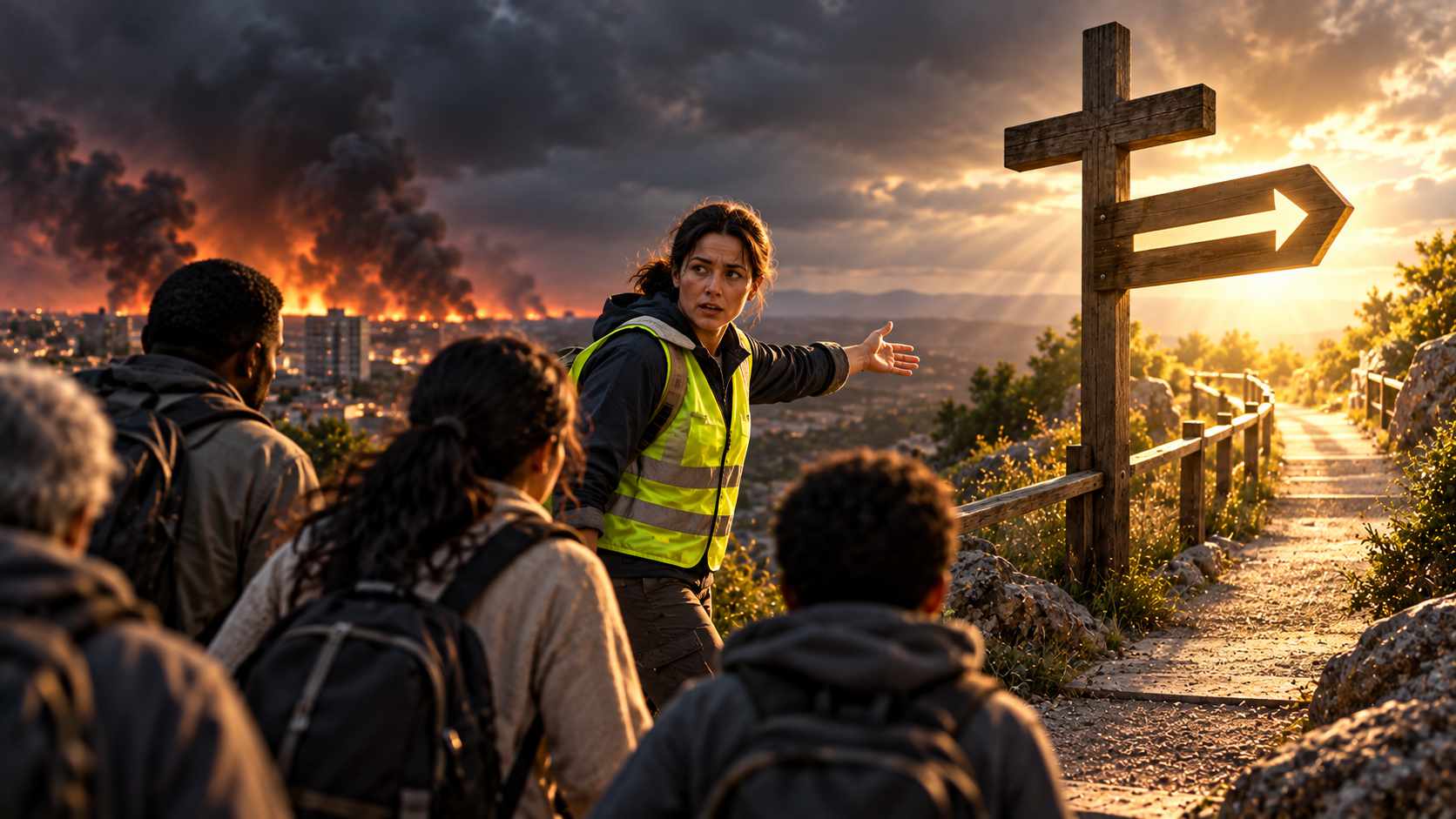
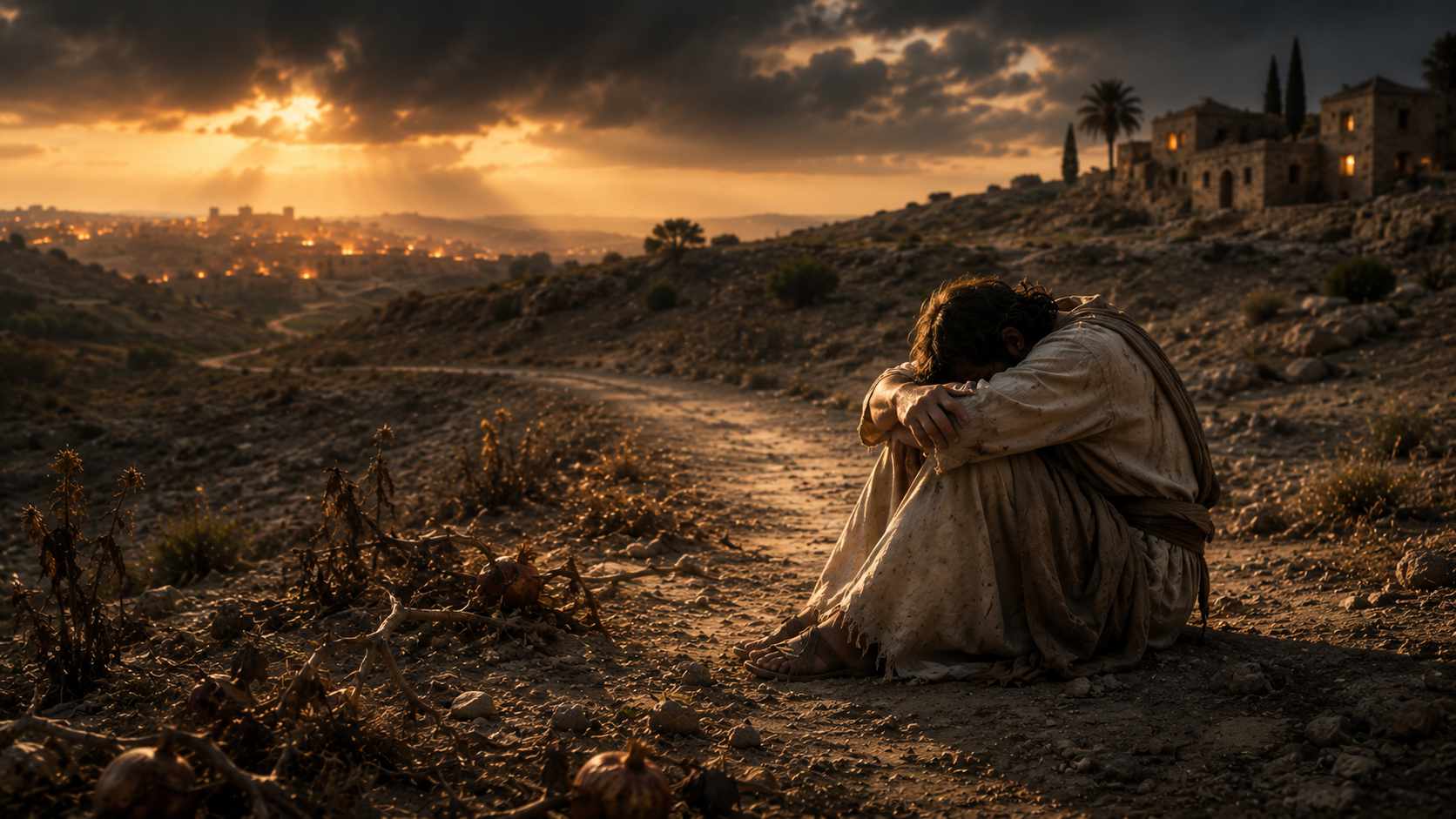
Standing Before God In The Gap For A Perishing Generation

Text: Genesis 18:16–33
There are solemn moments in the dealings of God with mankind when heaven examines the actions of men, weighs the condition of nations, and determines the response of divine justice. God is patient, merciful, and longsuffering; yet His mercy does not erase His holiness, and His patience does not cancel His judgment. The Judge of all the earth sees what men ignore, hears what society excuses, and remembers what generations attempt to forget. The revelation of God’s intended judgment upon Sodom was not merely a declaration of destruction; it was also a revelation of His character. God allowed Abraham to see His heart — a heart that is holy enough to judge sin, righteous enough to act with justice, and merciful enough to listen to the cry of an intercessor.
Abraham stood before the Lord when others were unaware of approaching judgment. The inhabitants of Sodom continued their daily activities without concern, not realizing that their wickedness had reached heaven and their opportunity for repentance was passing away. Sin had blinded their eyes, hardened their hearts, and silenced their conscience.
The greatest tragedy of any generation is not merely the abundance of evil, but the absence of righteous men and women who understand the seriousness of the hour and stand before God in prayer. When righteousness disappears, when holiness becomes strange, when sin becomes celebrated rather than mourned, judgment approaches. The question that comes to every believer today is clear: Are we like Sodom, careless in sin and unaware of divine accountability, or are we like Abraham, standing before God with a burden for souls facing eternal consequences?
1. THE CONFIDENCE OF GOD IN A CONSECRATED SERVANT
Genesis 18:16–19; Psalm 25:14; Amos 3:7; John 15:14,15; Exodus 33:11–17; James 2:21–23; Proverbs 3:32.
“And the LORD said, Shall I hide from Abraham that thing which I do?” (Genesis 18:17).
The relationship between God and Abraham reveals the privilege of those who walk closely with the Lord. Abraham was not merely a receiver of blessings; he was a trusted servant of God. The Lord could reveal His purposes to Abraham because Abraham had surrendered his life to divine direction. There is a level of fellowship with God that goes beyond outward religion. Many desire the promises of Abraham but neglect the obedience, separation, and faith that marked Abraham’s walk. The secret things of God are not entrusted to careless hearts. Divine friendship belongs to those who fear Him, obey Him, and desire His will above their own. “The secret of the LORD is with them that fear him; and he will shew them his covenant” (Psalm 25:14).
God’s testimony concerning Abraham was remarkable: “For I know him.” The Lord knew Abraham’s character, his obedience, and his commitment to leading his household in righteousness. Abraham’s faith was not private belief without practical influence; it affected his family, his decisions, and his entire way of life. True faith produces obedience. A person cannot sincerely claim fellowship with God while deliberately walking contrary to His commandments. The faith that saves the soul also transforms the life. God said Abraham would “command his children and his household after him.” This reveals the responsibility of every believer. The home must become a place where God is honoured, His Word is taught, His ways are followed, and His righteousness is demonstrated.
Many desire God’s blessings but reject God’s authority. They desire divine protection without divine instruction. They want the promises of Scripture without submission to the God of Scripture. But Abraham teaches us that the pathway of blessing is the pathway of obedience. The Lord still seeks men and women He can trust — believers who will stand for righteousness when compromise surrounds them, who will maintain holiness when the world abandons truth, and who will faithfully represent Him in a declining generation.
2. THE CERTAINTY OF GOD’S JUDGMENT AGAINST UNRIGHTEOUSNESS
Genesis 18:20,21; Genesis 13:13; Ezekiel 16:49,50; Romans 1:18–32; Galatians 6:7,8; Jude 1:7; 2 Peter 2:4–9.
“Because the cry of Sodom and Gomorrah is great, and because their sin is very grievous” (Genesis 18:20). The judgment upon Sodom reveals a truth that every generation must remember: God sees sin. Human approval does not remove divine accountability. Cultural acceptance does not transform unrighteousness into righteousness. What men celebrate on earth may still grieve the heart of God in heaven. Sodom’s greatest problem was not ignorance but rebellion. Their hearts became hardened because repeated disobedience weakened their sensitivity to righteousness. Sin that is entertained eventually becomes sin that is defended. What the conscience once condemned, the hardened heart begins to justify. God’s investigation of Sodom demonstrates the perfection of His justice. He said, “I will go down now, and see.” The Lord was not lacking knowledge; He was revealing that His judgment is never careless, impulsive, or unrighteous. Every act of God is established upon perfect wisdom and absolute justice. Unlike man, God does not judge by rumours, appearances, emotions, or partial understanding. He sees the hidden thoughts, secret actions, forgotten decisions, and true condition of every heart. “Shall not the Judge of all the earth do right?” (Genesis 18:25).
Many misunderstand the patience of God. Because judgment does not come immediately, they assume judgment will never come. Because mercy delays punishment, they assume God has overlooked sin. But divine patience is not divine approval. “The Lord is not slack concerning his promise... but is longsuffering to us-ward, not willing that any should perish, but that all should come to repentance” (2 Peter 3:9). The same God who patiently waited in the days of Sodom still calls men and women today to repentance. His warnings are expressions of mercy. His corrections are invitations to return. His Word exposes sin so that sinners may find forgiveness before judgment comes. The destruction of Sodom remains an everlasting reminder that a life, a family, a society, or a generation that rejects God cannot escape the consequences of rebellion.
3. THE COMPASSIONATE INTERCESSION OF THE RIGHTEOUS BEFORE GOD
Genesis 18:22–33; Ezekiel 22:30; Exodus 32:9–14; Numbers 14:11–20; 1 Samuel 12:23; Isaiah 59:16; 1 Timothy 2:1–4; Hebrews 7:25.
“And Abraham stood yet before the LORD” (Genesis 18:22). While Sodom continued in carelessness, Abraham stood in intercession. He did not rejoice over approaching judgment. He did not condemn without compassion. He approached God with humility and pleaded for mercy.
The spirit of true righteousness is never separated from compassion. The closer a person walks with God, the greater the burden for those who are far from God. A holy heart does not delight in the destruction of sinners; it longs for their salvation. Abraham’s prayer reveals reverence and humility. He did not command God; he pleaded with God. He recognized his own weakness, saying, “Behold now, I have taken upon me to speak unto the Lord, which am but dust and ashes.” Effective intercession begins with humility. Pride cannot stand in the gap for others because pride looks down upon those who have fallen. The true intercessor remembers that mercy alone has preserved him. Abraham asked if God would spare the city for fifty righteous people, then forty-five, forty, thirty, twenty, and finally ten. Each request revealed both Abraham’s concern and God’s willingness to show mercy.
The tragedy of Sodom was not that God refused mercy; it was that the righteous influence needed to preserve the city was missing. “And I sought for a man among them, that should make up the hedge, and stand in the gap before me for the land...” (Ezekiel 22:30). Every generation needs intercessors — people who pray for their families, communities, churches, and nations. The world does not only need critics who identify darkness; it needs believers who carry the light. It does not only need voices that condemn evil; it needs hearts that plead for redemption. The greatest Intercessor is Jesus Christ Himself. Abraham stood before God pleading for Sodom, but Christ stands as the perfect Mediator, offering salvation to all who come to God through Him.
Genesis 18:16–33 reveals three eternal realities: God reveals His heart to those who walk with Him, God will judge unrighteousness with perfect justice, and God seeks faithful intercessors who will stand before Him for others. Abraham’s generation needed a man who could hear God’s voice, understand God’s purpose, and carry God’s burden. Our generation needs the same. The believer must ask: Can God trust me as He trusted Abraham? Am I walking closely enough with Him to understand His will? Am I concerned for those moving toward destruction, or have I become indifferent? A self-centered believer sees only personal blessings, but a God-centered believer carries the burden of heaven. The call of God remains unchanged: He seeks men and women who will walk in righteousness, teach His ways, resist the corruption of their generation, and stand in the gap before Him. Blessed is the servant whom God can trust. Blessed is the heart that remains pure in a corrupt world. Blessed is the intercessor who stands before God until mercy reaches those who desperately need it.

About Apprentice of the Word
Software engineer by profession, Student of the Word for life